 Rosemary Root
The trick
The $1 Rosemary Trick for Thinning Hair: What It Is and Where Rosedil Fits In
Everyone has seen the rosemary oil videos. The presentation behind Rosedil says almost everyone is doing it wrong. Here is what the $1 rosemary trick actually is, in plain words.
By the Rosemary Root Report editorial team · Updated · 4 min read
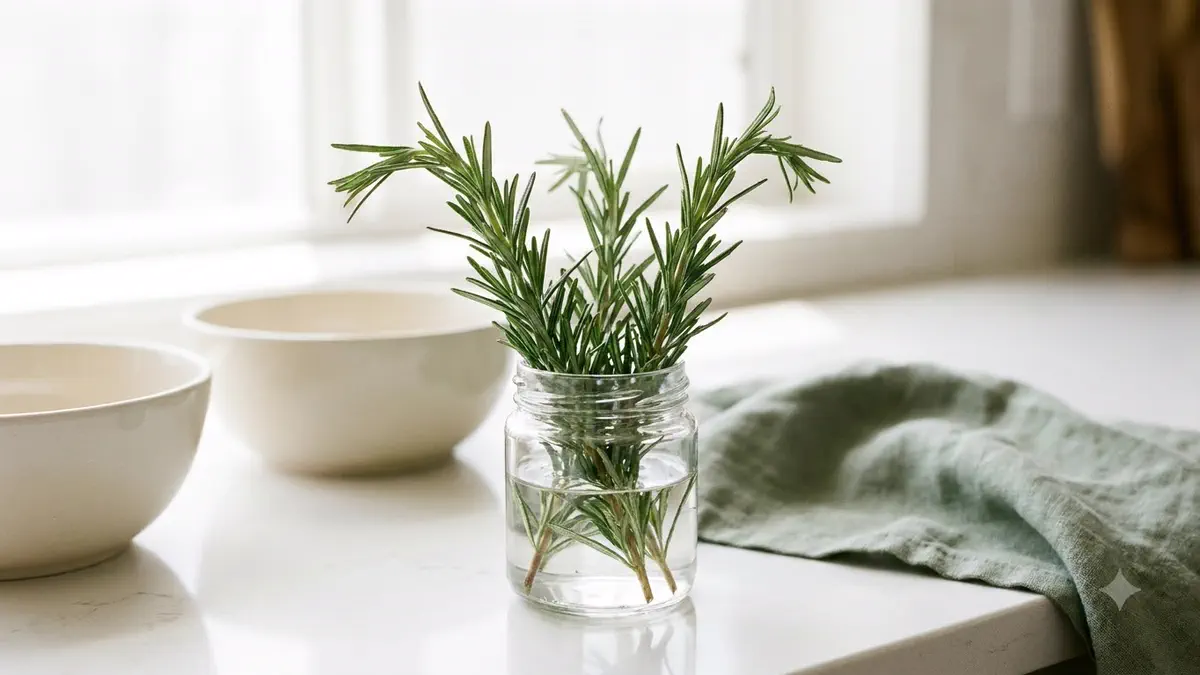
Where the name comes from
Rosemary costs about a dollar at the grocery store. That is the hook: a plant you can buy for pocket change, in a market full of expensive shampoos, serums and procedures. The video opens with a woman who says that after a long hair loss crisis, made worse by the weight-loss pens, she got her hair back with one simple trick with rosemary. No injections, no hormones and no transplant, she says.
What it is not
It is not the two drops of rosemary oil on the scalp that went viral on social media. The dermatologist in the presentation is direct about this: those videos are the wrong version, and they are why so many women tried rosemary and saw nothing. It is not a rinse, a spray or a mask either.
What it is, according to the video
The real trick, as the presentation tells it, has three parts. The rosemary has to be concentrated, with enough of its active part, carnosic acid, to make a difference. It has to come with three other ingredients: Japanese green tea extract, curcumin with gingerol and hydrolyzed type 1 gelatin. And it has to work from the inside, because the video says hair loss starts inside the body, so the answer has to get there too. Put together in the right proportion, it calls the result the follicle restoration cascade.
What it is supposed to do
The trick is built around a single idea: your follicles don’t die, they fall asleep. The video describes the follicle as a tiny organ that grows each strand in cycles. Stress, the pens, a hard year or a pregnancy can send it a signal that it is not safe to grow hair, and it shrinks, grows thinner and weaker strands and finally stops. Rosemary, in the video’s words, is the switch that tells it the opposite. Green tea pulls the weed from the root, curcumin and gingerol calm the scalp so the growth lasts, and gelatin gives the new strand its weight.
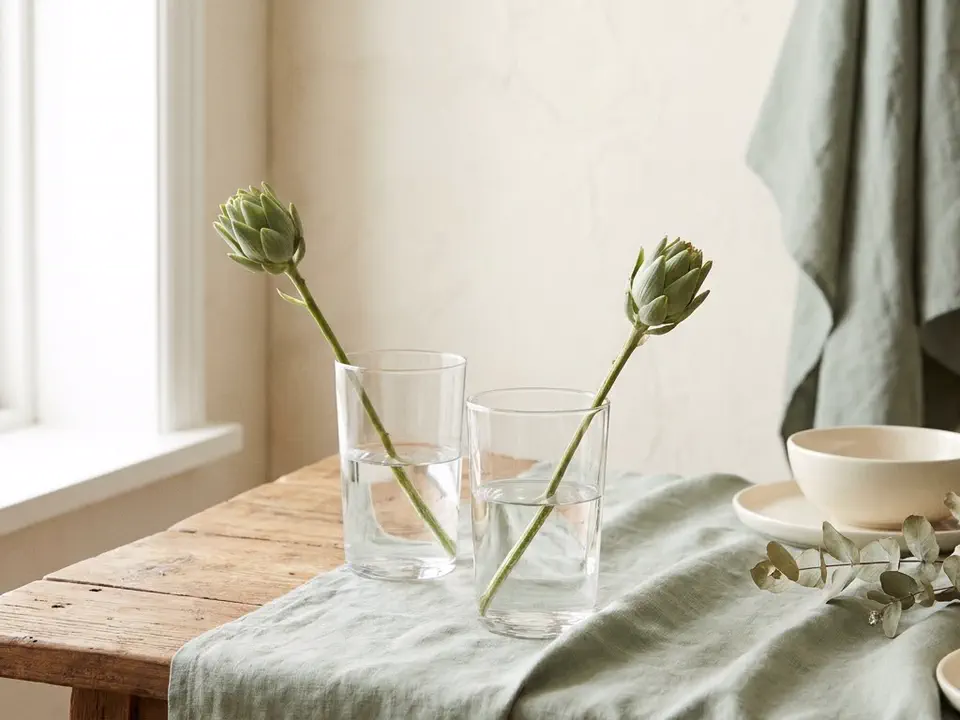
The video shows it with two closed flowers in two glasses of water. Biotin goes into one and nothing happens. Rosemary with the other three goes into the second, and the flower opens.
Why Japan comes up
The presentation points to Japan, where it says women in their seventies and eighties keep thick, dark hair and where rosemary and concentrated green tea are part of daily life. It is a cultural observation the video uses to explain why it picked those two plants, and it is why there is a small red sun on the Rosedil label.
The ritual: ten seconds before bed
In the second version of the video the trick is described as a 10-second bedtime ritual. That is the practical side: you don’t brew anything or measure anything. You take the capsule at night, as the label directs, and go to sleep. One bottle lasts a month.
Why you can’t just make it at home
The video says the four ingredients can be found separately in specialty stores, but that the concentration and the proportion are the whole point, and that a home mix will not get the same thing. That is why the presentation ends with a capsule instead of a recipe. Rosedil is that capsule.
How to try it
The 6-bottle kit covers the six months the video calls the complete protocol, at $49 a bottle with free US shipping and a 60-day money-back guarantee. If the sleeping-follicle idea made sense to you, that is the simplest way to follow it from the first night.
Frequently asked questions
What is the $1 rosemary trick?
It is the name the video gives to using concentrated rosemary with three other ingredients, from the inside, to wake up sleeping follicles. Rosedil is the capsule that puts it together.
Is it the same as rosemary oil on the scalp?
No. The video says the two-drop oil from social media is the wrong version.
Can I make the rosemary trick at home?
The video says the concentration and proportion are the point, which is why it ends with a ready-made capsule.
When do I take it?
At night, before bed, following the label. The video calls it the 10-second bedtime ritual.
Keep reading
This article is general information, not medical advice, and it doesn’t replace a conversation with your doctor or pharmacist. Last updated November 11, 2026. Spotted an error? Write to support@rosedil.online.